Meta vs Google Ads: Understanding the Differences and Complementary Strengths
By Dylan Klichowicz
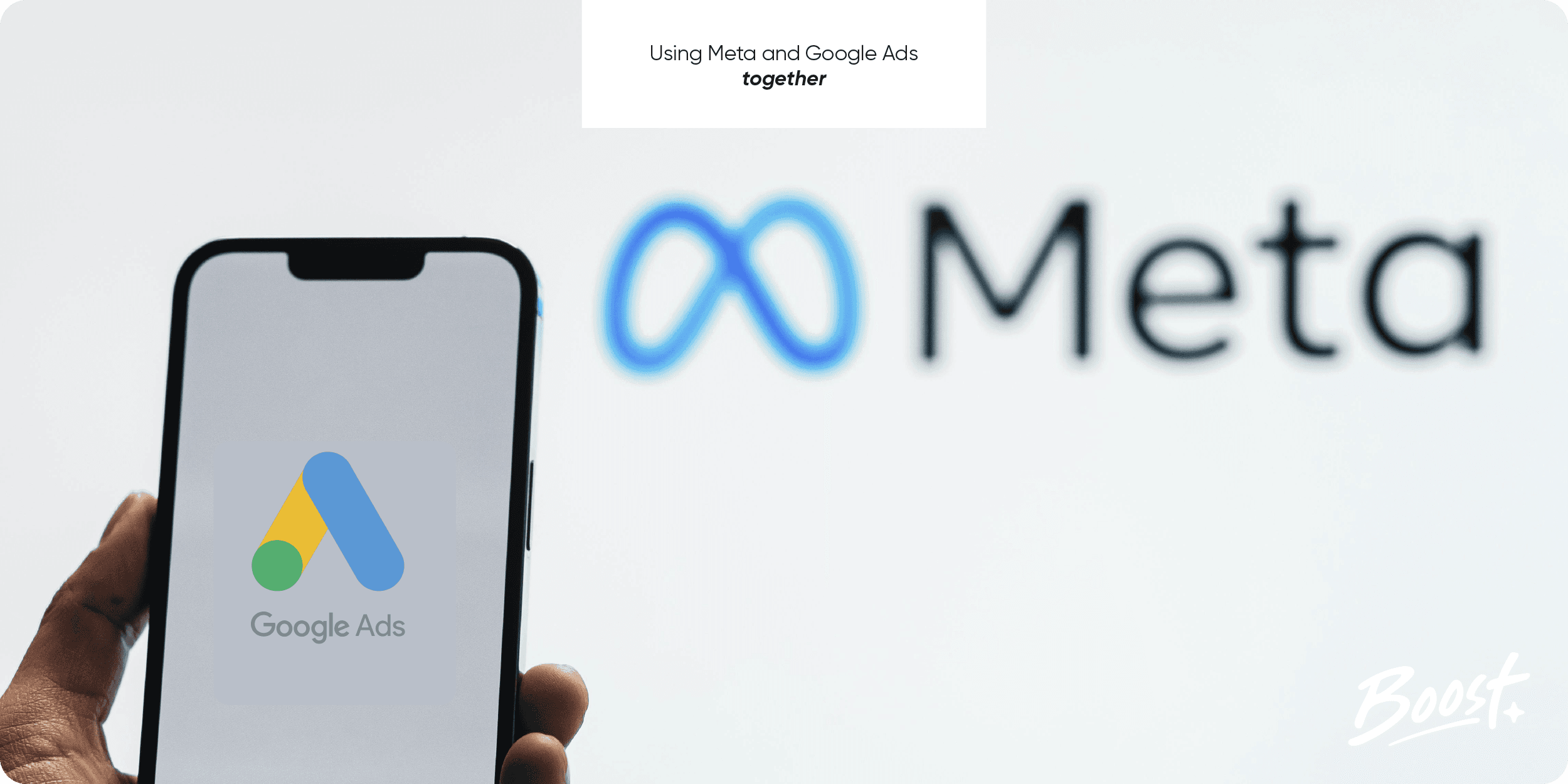
Meta vs Google Ads: Understanding the Differences and Complementary Strengths
When it comes to digital marketing, businesses have an array of platforms to choose from to promote their products and services. Two of the most popular platforms are Meta Ads (Facebook and Instagram) and Google Ads. While they have their differences, using them together can help businesses get the best results and reach a wider audience.
Targeting Capabilities
Meta has an extensive amount of data about its users, which it uses to serve highly targeted ads. Advertisers can target users based on demographics, interests, behaviors, location, and device usage. On the other hand, Google Ads relies mainly on keyword targeting and limited audience segmentation. By combining the two platforms, businesses can use Meta’s advanced targeting capabilities to target specific audiences and use Google Ads to capture users who are searching for specific products or services.
Ad Formats
The ad formats on Meta and Google Ads also differ significantly. Google Ads primarily serves text-based ads, which appear in search results and on websites that use Google Adsense. In contrast, Meta offers a range of ad formats, including image ads, carousel ads, video ads, and stories. By combining the two platforms, businesses can use Google Ads to capture users who are searching for specific products or services, while using Meta to create visually appealing and engaging ads that increase brand awareness and engagement.
Cost
The cost of advertising on Meta and Google Ads can differ significantly. Google Ads operates on a cost-per-click (CPC) model, where the cost of the ad is determined by the number of clicks it receives. In contrast, Meta operates on a cost-per-impression (CPM) or cost-per-click (CPC) model.
Audience Intent
The intent of the audience on Meta and Google Ads also differs significantly. Google Ads is primarily a platform for search-based advertising, where users are actively looking for a specific product or service. In contrast, Meta is a platform for social-based advertising, where users are scrolling through their feeds, engaging with their friends, and discovering new content. By combining the two platforms, businesses can use Google Ads to capture users who are actively searching for specific products or services, while using Meta to reach a wider audience and increase brand awareness.
To use Meta and Google Ads together, businesses should focus on their strengths and use them to complement each other. Here are some ways to do that:
- Use Google Ads for search-based advertising and Meta for social-based advertising.
- Use Meta’s advanced targeting capabilities to target specific audiences, and use Google Ads to capture users who are searching for specific products or services.
- Use Google to increase traffic to your website and then use visually appealing Facebook & Instagram Ads to retarget those users and push them through the sales funnel.
While Meta and Google Ads have their differences, using them together can help businesses get the best results and reach a wider audience. By focusing on their strengths and using them to complement each other, businesses can create effective digital marketing campaigns that drive traffic, increase brand awareness, and boost engagement. Whether you are a small business owner or a marketing professional, understanding the differences between these platforms and how to use them together can help you get the best results for your marketing efforts.

Scale your performance with data-driven insights
Ready to apply these insights to your business? Hannah can walk you through how we'd approach your specific situation.
Hannah Merzbacher
Operations Manager
Continue Reading
View all Insights
Top 7 Web Development Companies South Africa for 2026
If you're comparing web development companies in South Africa right now, you're probably stuck between two bad options. One is hiring a generalist stu...
Pay for Advertising: A Guide to Profitable Growth in 2026
You're probably here because something has stalled. Maybe your organic traffic has levelled off. Maybe referrals are inconsistent. Maybe the sales tea...
Build Your Crisis Communication Plan: 2026 Guide
49% of U.S. businesses have a formal crisis communication plan, and only 22% of South African businesses have run a crisis simulation in the past two ...